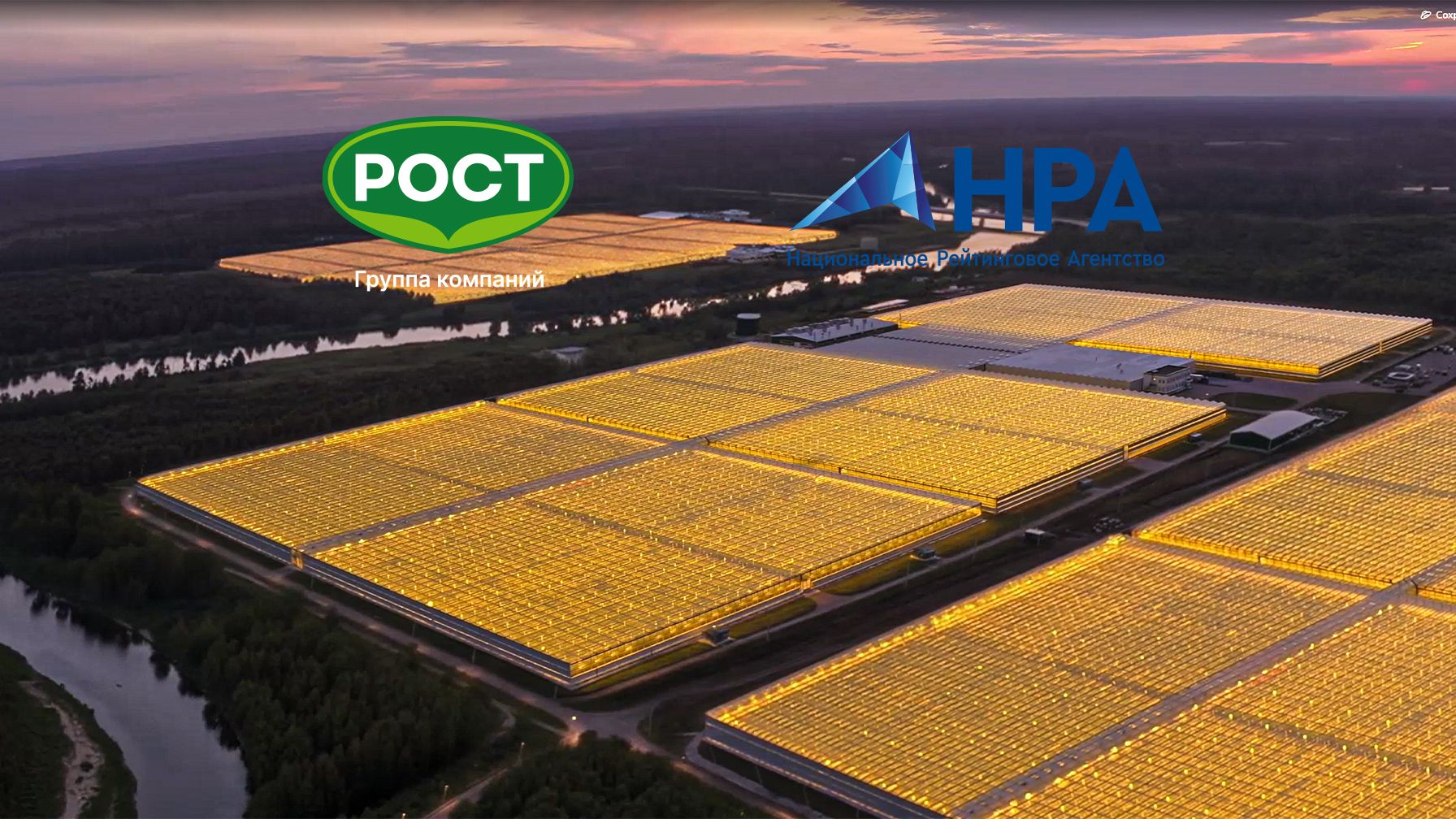











At the St. Petersburg International Economic Forum (SPIEF 2026), ROST Group, the largest producer of greenhouse-grown vegetables, signed two letters of intent aimed at developing the industrial potential of Russia's Lipetsk Oblast. The agreements provide for a comprehensive upgrade of two major greenhouse complexes operated by ROST Group: LipetskAgro and Yeletskie Ovoshchi.
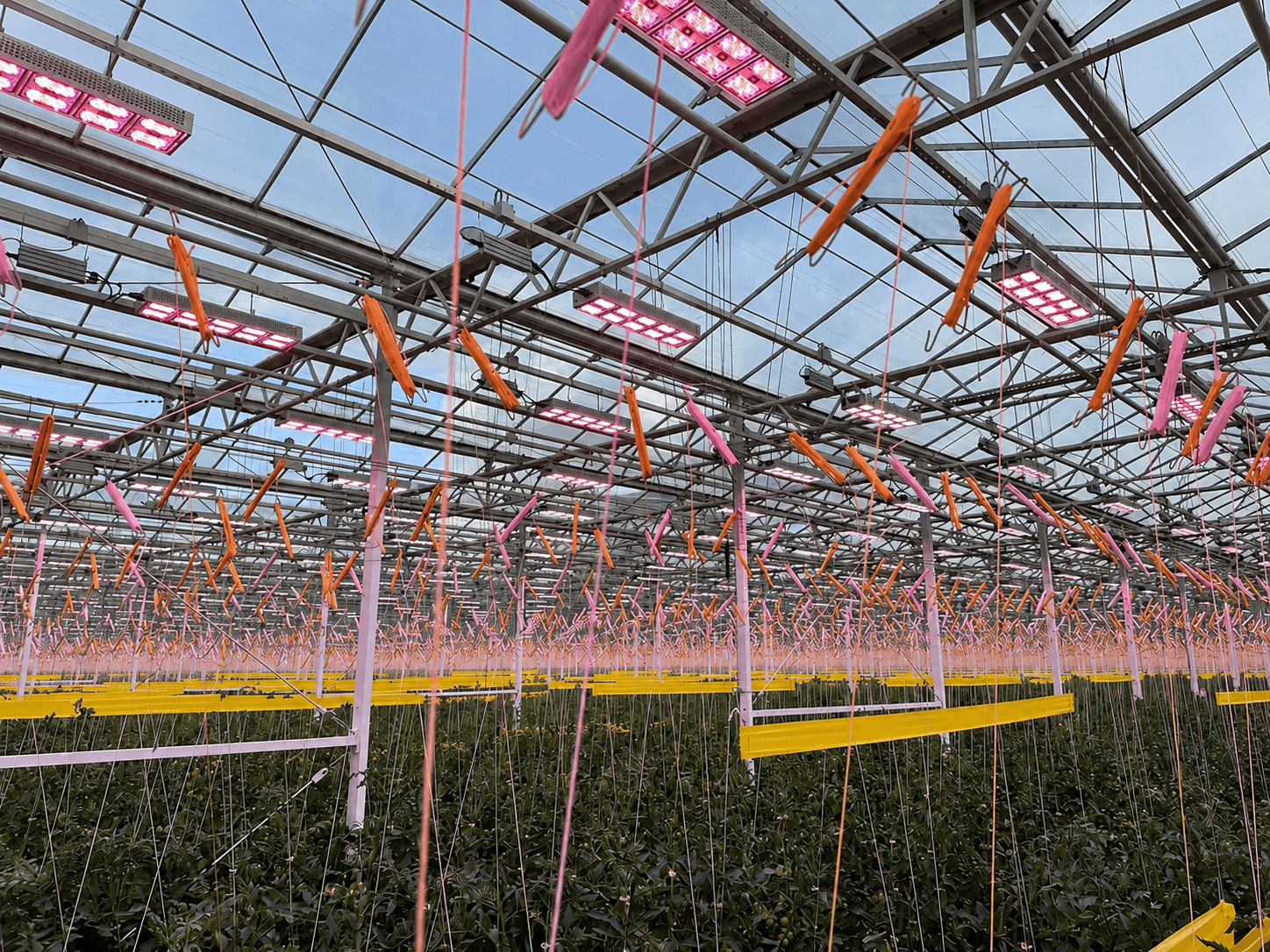
The investment program, which is scheduled to run through July 2026, is estimated at approximately RUB 10 billion. The core focus of the program is to replace outdated supplemental lighting systems with modern LED fixtures featuring an optimized light spectrum, introduce smart sensors tailored to the new lighting solutions, and upgrade heating systems.
Once the program is implemented, the facilities are expected to create about 60 new jobs for engineering and technical specialists as well as greenhouse vegetable growers.
The transition to LED supplemental lighting is expected to increase yields of greenhouse-grown vegetables by an average of 30%, without expanding the cultivated area.
At its greenhouse complexes in Lipetsk Oblast, ROST Group grows leading brands including Flamenco tomatoes, Medovye and Sladkaya Yagoda cherry tomatoes, and Botanika cucumbers. In 2025, production at Yeletskie Ovoshchi totaled 58,000 metric tons, while LipetskAgro produced 24,000 metric tons.
"Thanks to the consistent support of the Lipetsk Oblast administration, we are able to carry out technology upgrades of this scale," said Natalia Loresh, CEO of ROST Management Company. "The introduction of LED supplemental lighting is an effective solution for dramatically increasing yields, and it has already proven its worth at our TyumenAgro facility. I am confident that the modernization of LipetskAgro and Yeletskie Ovoshchi will allow us to produce even more of our delicious, healthy, and environmentally friendly vegetables: fresh, affordable, and loved by millions of consumers."
The implementation of the agreements will strengthen the region's food security and set new efficiency benchmarks for the entire industry.